
On August 11, 2014, the world lost one of its most beloved actors and comedians – Robin Williams.
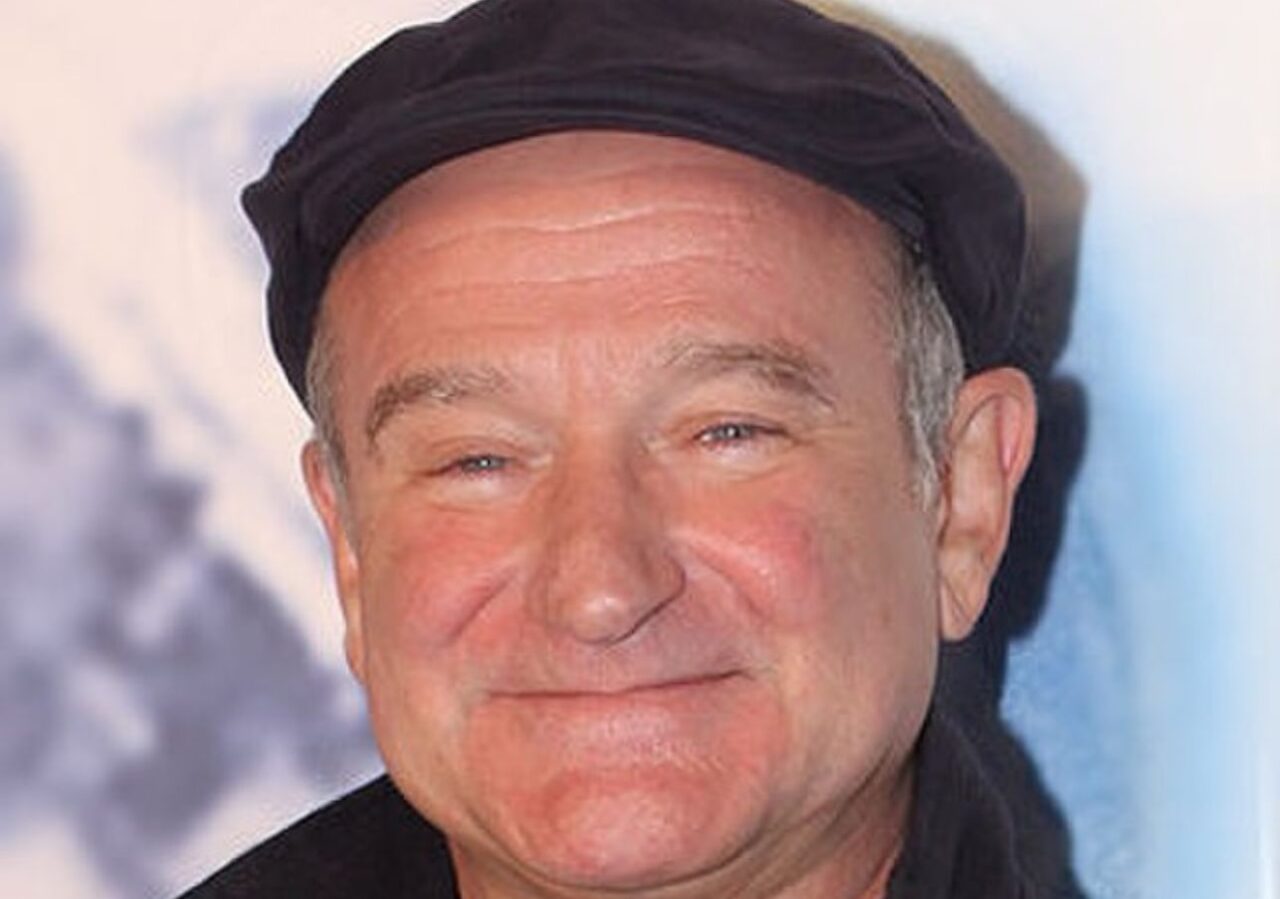
His death at the family home in California came as a shock to millions of fans around the world.
Official reports confirmed it was suicide, but the real cause of his suffering only became clear after the autopsy.
At first, it was believed that Williams had been battling severe depression, and some media even claimed he had relapsed into alcoholism, which he had successfully overcome years earlier. However, his wife, Susan Schneider Williams, decided to share the real truth with the world.
Terrifying Symptoms
She explained that in the months before his death, Robin showed alarming neurological symptoms: insomnia, sudden mood swings, hallucinations, memory loss, severe anxiety, and paranoia. His personality, once known for warmth and sharp wit, began to change drastically.
Robin had been diagnosed with Parkinson’s disease, but that diagnosis didn’t explain all of his symptoms. Only after his death did the autopsy reveal that he had been suffering from diffuse Lewy body dementia—a progressive and devastating neurological disorder caused by the abnormal buildup of a protein called alpha-synuclein in brain cells. This disease is the second most common form of dementia, right after Alzheimer’s, and is known for causing a mix of cognitive, psychiatric, and motor symptoms.
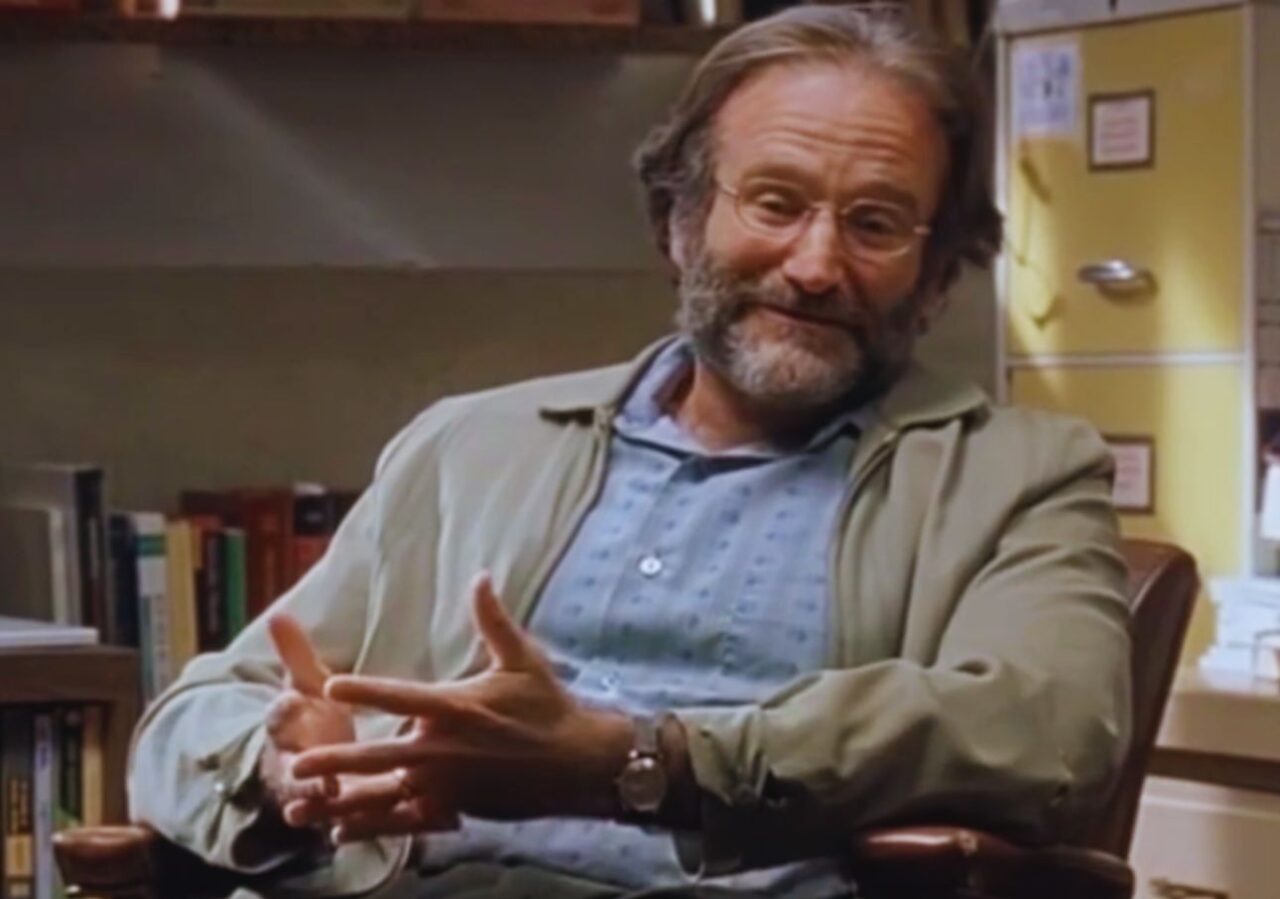
“My husband’s brain was literally falling apart. The disease was like a terrorist living inside him. People talk a lot about mental health, but not enough about brain diseases. Robin didn’t have a psychological problem—he had a neurological illness,” Susan said in an interview with The Guardian.
Reason for the Suicide?
The first symptoms appeared almost unnoticed—stomach pain, digestive issues, trembling hands. Then came the insomnia that drained him night after night. Soon after, hallucinations and episodes of confusion began.
“He became paranoid, which was completely unlike him. This disease is terribly confusing—the symptoms keep changing, sometimes disappearing, only to return in a different form. It confuses both the family and the doctors,” Susan recalled.
Robin had planned to enter a specialized clinic for neurocognitive testing, but a week before his scheduled admission, he decided to take his own life. His wife believes he thought he would be permanently hospitalized and never allowed to return home.
After his death, Susan became a passionate advocate for raising awareness about Lewy body dementia. She emphasized that Robin’s depression was only a symptom, not the cause of his death, and that it’s crucial for such diseases to be recognized and properly diagnosed.
She launched campaigns, collaborated with medical experts, and took part in the making of the documentary “Robin’s Wish”, which sheds light on the final months of his life and delivers a powerful message about the importance of understanding neurodegenerative diseases.